Chili Industry: Behind the Rising Exports, Chili Knowledge You Didn' t Know
In the current era of increasing integration of global food cultures, chili has long transcended its single attribute as a "condiment" and become an important crop spanning food ingredients, health care, and industry. From spicy dishes in Southeast Asia to seasoning sauces in the European and American markets, the global annual consumption of chili grows steadily at a rate of 5%-8%. Behind this trend, it is not only supported by the quality of production areas but also closely related to the unique component value of chili - capsaicin in chili not only gives it a spicy taste but also has antioxidant and metabolism - promoting properties, which also allows high - purity chili products to open up a new track in the healthy food field. Recently, the domestic chili industry has been bringing good news, injecting new vitality into the global market.
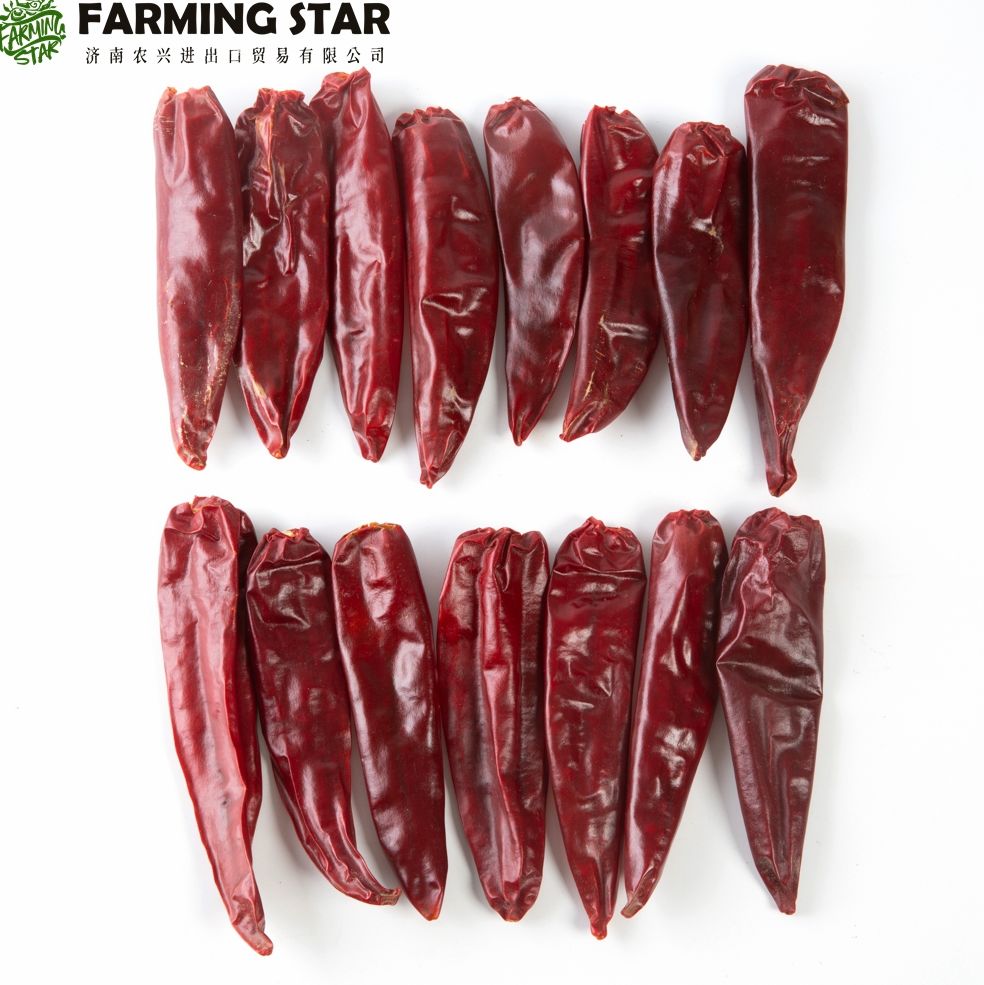
Looking at domestic production areas, the chili industry in various regions is developing well. In some areas of Zhucheng, Shandong, the chili harvest is in full swing. Local chili peppers, with their large size, bright red color, and low incidence of diseases, have attracted numerous purchasers, and a large quantity of products are being shipped to overseas markets such as South Korea. This not only reflects the quality competitiveness of Chinese chili peppers in the international market but also injects vitality into chili export trade. Meanwhile, Gangu in Gansu, known as the "Hometown of Chili Peppers in China," recently organized several enterprises to participate in the 10th Guizhou Zunyi International Chili Pepper Expo. At the expo, Gangu chili peppers attracted a great deal of attention through activities such as exhibitions, sales, and on - site tastings. More than 200 orders were sold both online and offline, with an amount of 36,000 yuan, and over 3 million yuan of intended purchase agreements were signed, further expanding sales channels and enhancing brand awareness. It is worth mentioning that because Gangu chili grows in the arid climate area of the Loess Plateau with large temperature differences between day and night, it accumulates higher levels of capsaicin and vitamin C, which is one of the core reasons for its popularity in domestic and foreign markets.
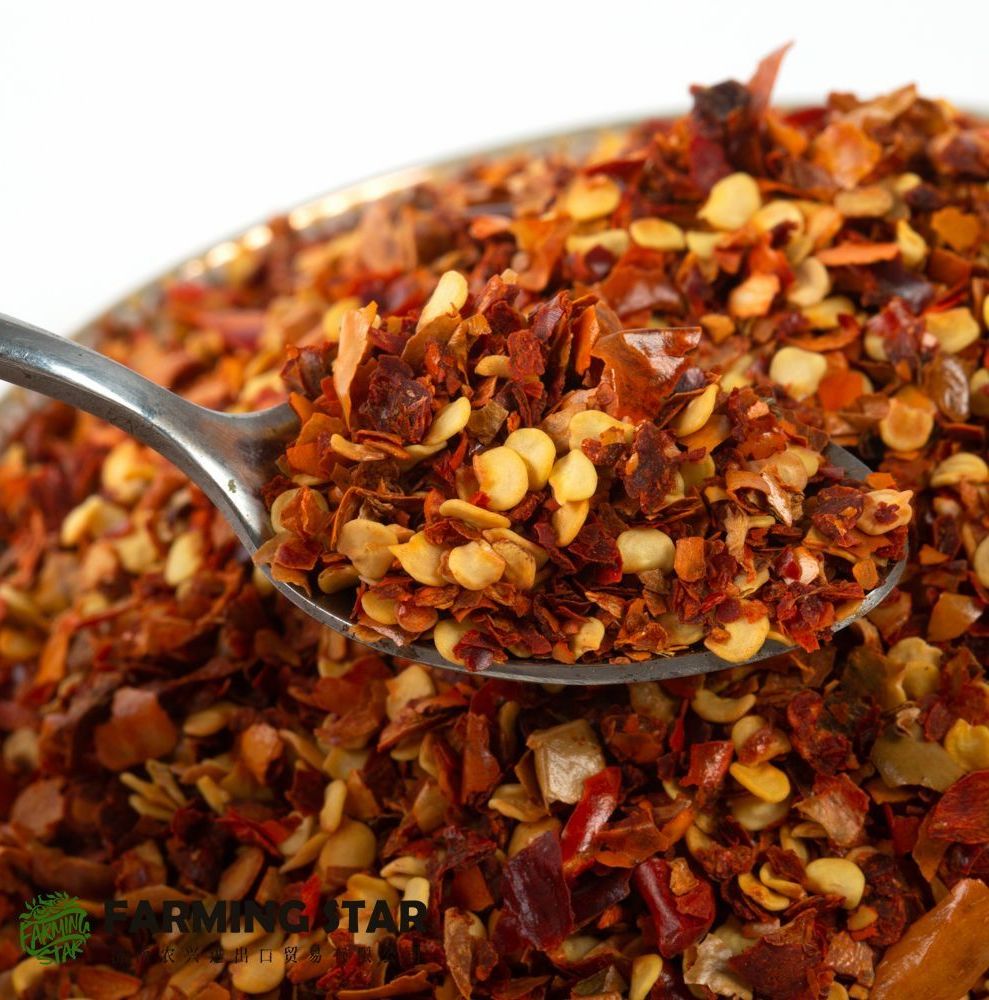
Many people may not know that the "chili powder" we often talk about is not a single product, but is divided into multiple categories according to spiciness (SHU, Scoville Heat Unit), mesh size (particle thickness), and processing technology. For example, low - spiciness chili powder is suitable for general seasoning, while high - spiciness is mostly used for special sauces; 20 - mesh coarse powder retains more chili aroma, while 80 - mesh fine powder is easier to blend into soups. This segmentation feature also allows chili products to accurately meet the consumption needs of different countries and scenarios.